
Full Mouth Dental Implants: When and How?

Losing most or all of your teeth can be life-changing — affecting how you eat, speak, smile, and even how confident you feel. One of the most common questions I get in my clinic is:
“Am I a candidate for full mouth dental implants?”
As a dentist with years of clinical experience and a Master’s degree in Oral Surgery, I’ll walk you through when full mouth dental implants are recommended, how the process works, and what factors truly matter — in simple, easy-to-understand language.
What Are Full Mouth Dental Implants?
Full mouth dental implants are a treatment option used to replace all missing teeth in the upper jaw, lower jaw, or both, using a fixed or removable prosthesis supported by dental implants.
👉 Important to know:
We do NOT place one implant per missing tooth.
Most full-arch cases require 4 to 6 strategically placed implants to support a complete set of teeth.
This approach is predictable, strong, and widely used in modern implant dentistry.
When Should Someone Consider Full Mouth Dental Implants?
A patient may be a candidate if they:
- Have lost most or all of their teeth
- Have severely damaged or loose teeth
- Suffer from advanced gum (periodontal) disease
- Struggle with loose dentures
- Want a long-term, stable solution
However, deciding if implants are right for you is never a one-size-fits-all decision.
Key Factors We Evaluate Before Full Mouth Implants
When a patient asks me about full mouth dental implants, I always assess four main things:
1. Age: Does Young vs. Old Matter?
Surprisingly, age alone is NOT the deciding factor.
What matters more is:
- The condition of the remaining teeth
- The quality and quantity of bone
- The patient’s general health
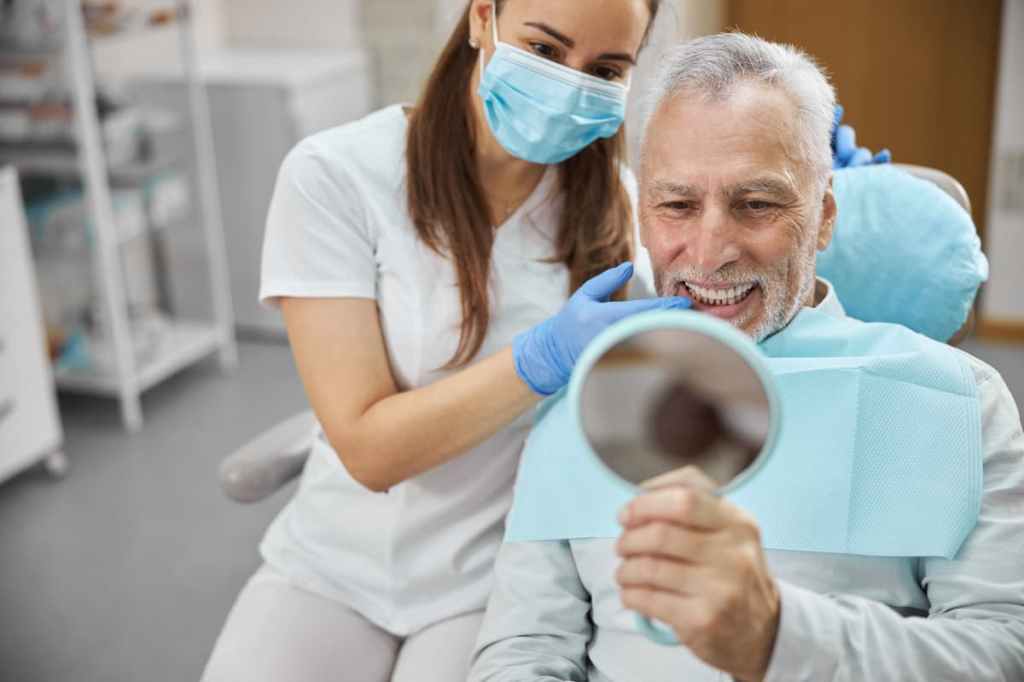
That said, as patients get older, we must consider systemic conditions that may affect healing and implant success.
2. General Health & Medical Conditions
Certain medical conditions can influence implant prognosis, including:
- Cancer
- Osteoporosis
- Smoking
- Immune system diseases
- Uncontrolled diabetes
🚫 Temporary contraindications:
Patients undergoing radiotherapy or chemotherapy are usually not candidates during treatment, as healing can be compromised.
Every case must be evaluated individually, often in collaboration with the patient’s physician.
3. Current State of the Mouth
This is one of the most critical steps.
Periodontal (Gum) Disease
- Active gum disease must be treated first
- Advanced periodontal disease may mean remaining teeth are not salvageable
- Sometimes, removing compromised teeth is the healthiest option
🦷 Education is essential:
If a patient lost teeth due to gum disease and oral hygiene doesn’t improve, implants can fail for the same reason.
👉 Gum disease affects BOTH natural teeth and implants.
4. Fixed vs. Removable: What Does the Patient Want?
This might sound like a silly question — but it isn’t.
Most patients want:
✔️ Something fixed
✔️ Teeth that feel as close to natural as possible
However, removable options may still be appropriate in some cases, especially when finances or anatomy are limiting factors.
5. Budget & Financial Considerations
Let’s be honest — cost matters.
- Removable dentures are significantly cheaper than implants
- If implants are not financially possible, we aim to:
- Preserve existing teeth as long as possible
- Use them as abutments to help retain a denture
- Preserve existing teeth as long as possible
Maintaining remaining teeth can greatly improve denture stability and function.
How Is a Full Mouth of Implants Done? (Step-by-Step)
Step 1: Imaging & Planning
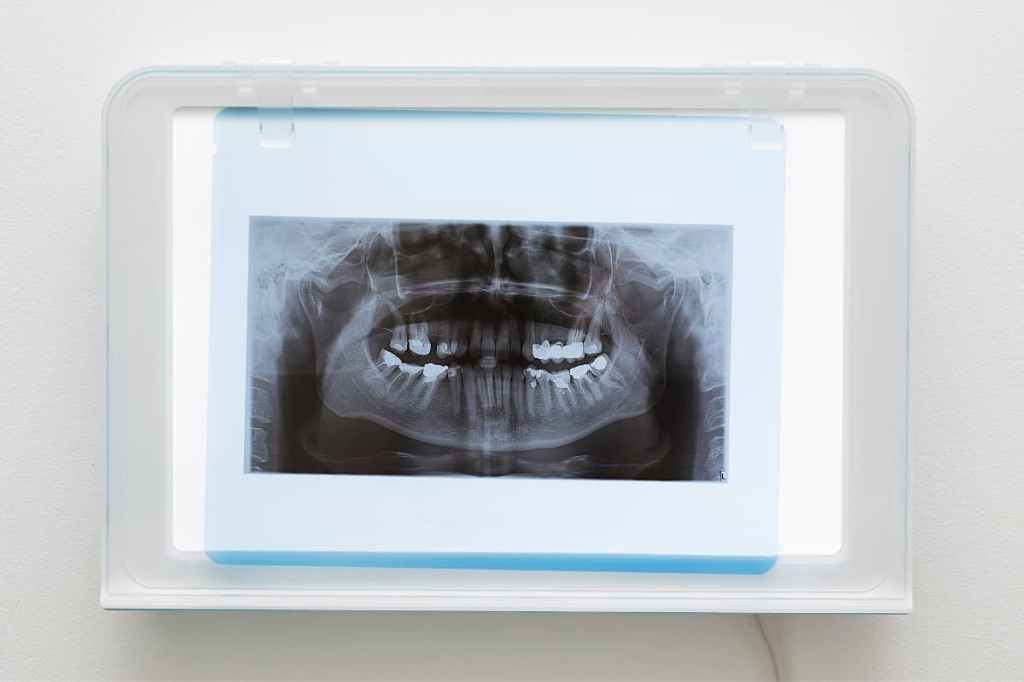
Before any surgery, the dental team will take:
- CBCT scan
- X-rays
These allow us to assess:
- Bone availability
- Nerve position
- Sinuses
- Ideal implant placement
Proper planning is non-negotiable for long-term success.
Step 2: Implant Placement Surgery
- Local anesthesia is always used
- In some countries or clinics, sedation is available
- 4 to 6 implants are placed per arch
- The procedure is precise and controlled
After surgery:
- Stitches are placed
- You’ll receive post-operative instructions
- Antibiotics and painkillers may be prescribed
Step 3: Temporary Teeth (If Possible)
Depending on your case:
- You may receive a temporary fixed full arch (usually resin)
- Or you may wear a regular denture while healing
This phase allows implants to integrate with the bone.
Step 4: Healing Phase
Implant healing can take:
⏳ A few weeks to several months
This process is called osseointegration, where bone bonds to the implant surface.
Step 5: Final Teeth Placement
Once healing is complete:
- Precise measurements are taken
- Final prosthesis is made from:
- Porcelain, or
- Zirconia
- Porcelain, or
These definitive teeth are then securely attached to the implants, restoring:
✔️ Function
✔️ Aesthetics
✔️ Confidence
Are Full Mouth Dental Implants Worth It?
For many patients, yes.
They offer:
- Improved chewing and speech
- Better facial support
- Long-term stability
- A natural look and feel
However, success depends on:
- Proper case selection
- Good oral hygiene
- Regular dental follow-ups
Final Thoughts from an Oral Surgeon
Full mouth dental implants are a powerful, life-changing treatment, but they must be planned carefully and individually.
If you’re considering this option, seek a dentist or oral surgeon with advanced training in implantology and surgical planning — experience truly matters.
 Béal - Oral Care
Leave a Comment