
Nightguard for Grinding Teeth: What Bruxism Really Is, Why It Happens, and How a Nightguard Protects Your Smile
If you wake up with jaw tension, headaches, or teeth that feel “tired,” you’re not imagining it — you might be grinding your teeth at night.
Bruxism is far more common than most people realise, and without the right intervention, it can quietly damage your teeth, jaw, and overall wellbeing.

This guide breaks everything down clearly:
- What bruxism is
- The difference between sleep and awake bruxism
- Why we grind in the first place
- What a nightguard really does
- Why some people struggle to get used to it
- And why using one consistently is essential
Let’s get into it — and help you finally understand what your teeth are trying to tell you.
What Is Bruxism?
Bruxism is repetitive clenching or grinding of the teeth caused by overactivity of the masticatory (chewing) muscles. According to recent clinical research, it appears as:
- Grinding or clenching during sleep (Sleep Bruxism, SB)
- Clenching during the day (Awake Bruxism, AB)
Sleep bruxism affects up to 15% of adults and is not considered a movement or sleep disorder in otherwise healthy people.

Sleep Bruxism (SB)
Happens during light sleep stages (N1) and can be:
- Phasic (rhythmic grinding)
- Tonic (sustained clenching)
People often don’t know they have SB until a partner hears it — or until dental damage appears.
Awake Bruxism (AB)
Usually a subconscious behaviour, typically linked to:
- Stress
- Anxiety
- Concentration habits (e.g., clenching while working)
Why Do We Grind Our Teeth? (The Real Causes)
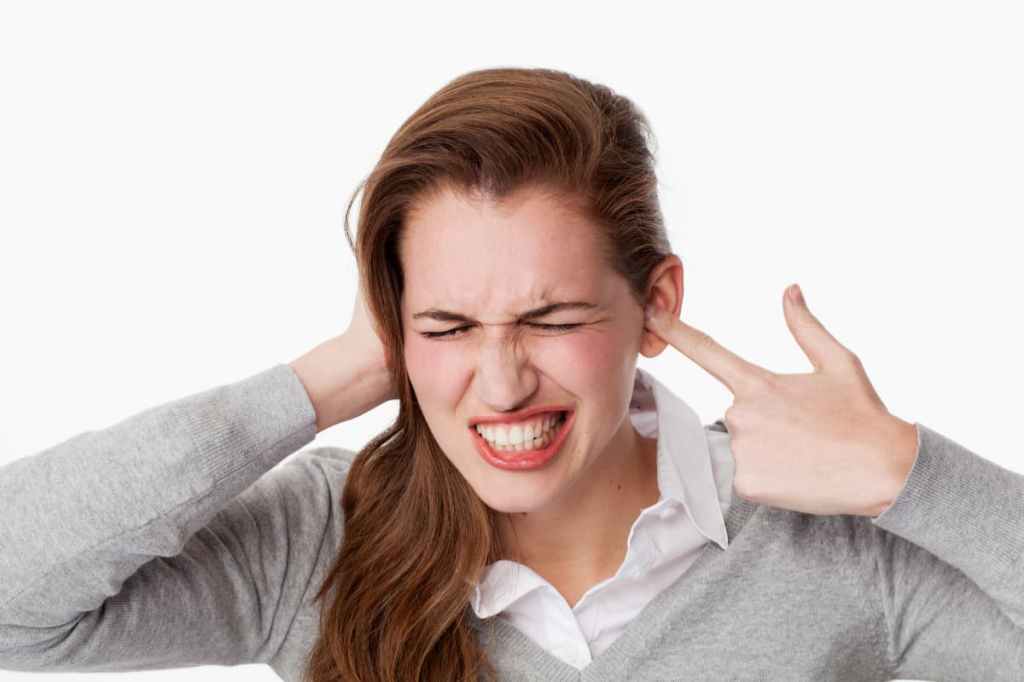
Bruxism has no single cause. It’s a multi-factor condition influenced by:
1. Lifestyle Factors
Research links SB to:
- Smoking
- Alcohol
- Caffeine
- Certain medications
- Illicit drugs
- Excess screen time before bed (blue light)
- Poor sleep hygiene
2. Stress & Anxiety
One of the strongest predictors. Students, high-stress professionals, and people with poor coping patterns show significantly higher rates of bruxism.
3. Sleep Disorders
Including:
- Sleep arousal
- Obstructive sleep apnea (OSA)
- GERD
Grinding and nightguard
4. Neurochemical Factors
Disturbances in serotonin and dopamine pathways influence muscle activity in the jaw.
5. Genetic Influence
A hereditary component exists, especially visible in childhood.
6. Pediatric Factors
Children grind more often when they consume sugar frequently, spend more hours on screens, or have irregular sleep patterns.
How Bruxism Affects Your Mouth (and Beyond)
Over time, grinding can lead to:
- Tooth wear, enamel cracks, and abfractions
- Sensitivity
- Broken or failed restorations
- TMJ pain and stiffness
- Headaches
- Enlarged jaw muscles (masseter hypertrophy)
- Scalloped tongue, linea alba
Some consequences are surprisingly positive, such as helping end an episode of sleep apnea or increasing saliva flow during GERD — but overall, untreated bruxism usually leads to dental and muscular damage.
What Is a Nightguard — and How Does It Help?
A nightguard (or occlusal splint) is a custom-made acrylic appliance worn over the teeth while sleeping.
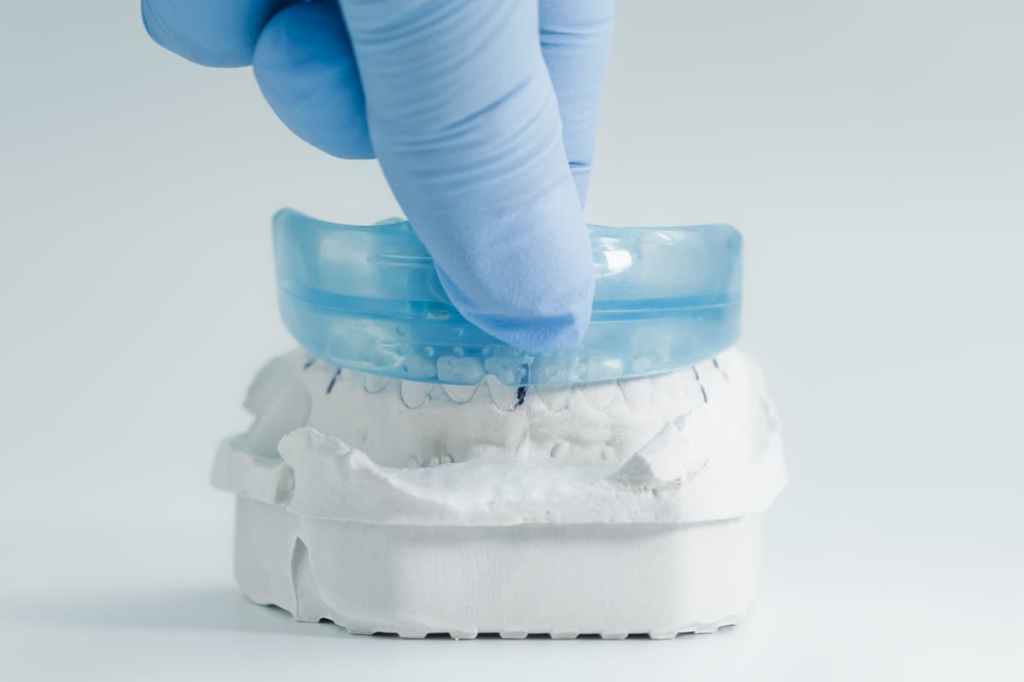
What a Nightguard Does
- Protects the teeth from wear
- Decreases the load on the TMJ
- Distributes clenching forces evenly
- Helps relax jaw muscles through passive stretching
- Reduces jaw muscle activity over time
What a Nightguard Doesn’t Do
- It doesn’t “cure” bruxism
- It doesn’t stop the brain from triggering jaw activity
But it prevents the most serious damage, which is why it’s considered one of the most effective protective therapies for sleep bruxism.
So… Why Is a Nightguard Hard to Get Used To?
You’re definitely not the only one who struggles at first.
A large multicentre study found that the first 4–8 weeks are the hardest, and adherence depends on:
- Personal attitude toward treatment
- Perceived benefits
- Stable sleep routines
Grinding and nightguard
Common reasons patients struggle:
- Extra saliva production (your brain thinks it’s food)
- Dry mouth in some cases
- Mild breathing restriction
- Gag reflex or unfamiliar sensation
- Disturbed sleep during the first few nights
These usually settle down once your body adapts.
Why It’s Important to Use a Nightguard Consistently
1. Prevents Permanent Tooth Damage
Once enamel is lost, it never grows back. Nightguards slow or stop accelerated wear.
2. Protects Restorations & Implants
Grinding forces during sleep can be stronger than biting into a raw carrot. Fillings, crowns, veneers, and implants are all at risk.
3. Reduces Jaw Muscle Activity
Studies show nightguards reduce both phasic episodes (short bursts) and tonic episodes over time
4. Helps Manage TMJ Symptoms
Less load = less inflammation and less morning stiffness.
5. Prevents Headaches
Jaw tension is a major contributor to morning headaches and temple pain.
Are Nightguards the Only Solution? (Short Answer: No.)
Bruxism treatment is often multifactorial, meaning a combination approach works best.
Other evidence-based options include:
- Stress reduction & cognitive behavioural therapy
- Physical therapy
- Biofeedback (effective for awake bruxism)
- Myorelaxation exercises
- Posture training
- Limiting caffeine/alcohol/sugar, especially before bed
- Improving sleep hygiene
- Treating underlying OSA or GERD
- Magnesium, vitamin D, B vitamins (if deficient)
- Botulinum toxin for severe cases
Nightguards protect teeth — but lifestyle, sleep, and stress management address the roots of the problem.
How to Make Your Nightguard Easier to Adapt To
Here are strategies backed by adherence research:
1. Wear it for short periods before sleep
30 minutes while reading or watching TV lets your brain get familiar with it.
2. Stay consistent — your brain adapts faster than you think
Skipping nights resets the adjustment process.
3. Improve your sleep hygiene
Dark room, cool temperature, limited screen time, no caffeine late in the afternoon.
4. Reduce stress before bed
CBT techniques, breathing exercises, or meditation can reduce muscle activity.
5. Tell your dentist about early discomfort
Minor adjustments can make a massive difference.
When Should You Definitely See a Dentist About Grinding?
If you notice:
- Chipped teeth
- Flattened or short teeth
- Morning headaches
- Jaw clicking or stiffness
- Gum recession
- Tooth sensitivity
- Broken fillings or crowns
- Scalloped tongue or cheek biting marks
…your grinding may be doing more harm than you realise.
Final Thoughts: A Nightguard Is One of the Best Investments You Can Make for Your Smile
Bruxism isn’t always something you can “just stop.”
It’s deeply connected to stress, sleep, neuromuscular pathways, and lifestyle triggers.
But a well-made nightguard?
It’s the simplest, most reliable, and scientifically grounded way to protect your teeth while you work on the underlying causes.
If you’re dealing with headaches, worn teeth, jaw tightness, or broken restorations — this small device can save you from extensive (and expensive) dental treatment later on.
REFERENCE
- Więckiewicz M; Smardz J; Martynowicz H. Lifestyle, daily habits, sleep hygiene, and diet: Proposal of a new approach for sleep bruxism management. Dent Med Probl. 2025; 62(1):5–7. doi:10.17219/dmp/191517
- Matusz K, Maciejewska-Szaniec Z, Gredes T, et al. Common therapeutic approaches in sleep and awake bruxism – an overview. Neurol Neurochir Pol. 2022; 56 (6):455–463.
- Onoguchi Y; Oki K; Tsukiyma Y; Ayukawa Y; Koyano K. Differences in the effectiveness of stabilization splints between the categories of sleep bruxism. J Oral Sci/Nihon Univ Sch Dent. 2025; 67(2):101–105. doi:10.2334/josnusd.24-0233
- Beck CC; Reissmann DR; Brinkmann L; Schierz O. Factors influencing adherence to therapy with occlusal splints — a multicentre questionnaire-based study. J Oral Rehabil. 2025. doi:10.1111/joor.70023
- Karabicak G O, Alkan Demetoğlu G, Ozkan G, et al. Jaw Exercise Versus Jaw & Posture Exercise Therapies in Comparison to Occlusal Splint Effectiveness in Probable Sleep Bruxism: A Randomised Controlled Study. J Oral Rehabil. 2025; 52(10):1629–1640. doi:10.1111/joor.14027
 Béal - Oral Care
Leave a Comment