
Vaping and Oral Health: What You Need to Know
Vaping has become one of the most popular alternatives to traditional smoking, especially among young adults. Marketed as a “safer” option, e-cigarettes are sleek, flavored, and widely accessible. But are they really safe? Let’s take a closer look at how vaping was invented, what’s inside an e-cigarette, how it affects the body, and more specifically, its impact on your oral health.
Why Was Vaping Invented?
E-cigarettes were first developed in 2003 by Chinese pharmacist Hon Lik, who wanted to create a combustion-free alternative to smoking. His goal was to deliver nicotine without burning tobacco, reducing exposure to harmful chemicals produced by cigarette smoke.
Since then, e-cigarettes have evolved and exploded in popularity—not only as smoking cessation tools but also as lifestyle products, particularly among teenagers and young adults.
What Is Vaping? The Different Types and Generations
Vaping involves inhaling an aerosol produced when a liquid (“e-liquid” or “vape juice”) is heated in an electronic device. Over the years, vaping devices have evolved into four main generations:
- First generation (“cigalikes”) – Resemble cigarettes, with a small battery and cartridge.
- Second generation (clearomizers) – Larger batteries and refillable tanks.
- Third generation (“mods”) – More powerful, customizable devices with variable wattage.
- Fourth generation (pods and disposables) – Sleek designs (often resembling USB drives), high nicotine content, and easy to use.
What’s in an E-Cigarette?
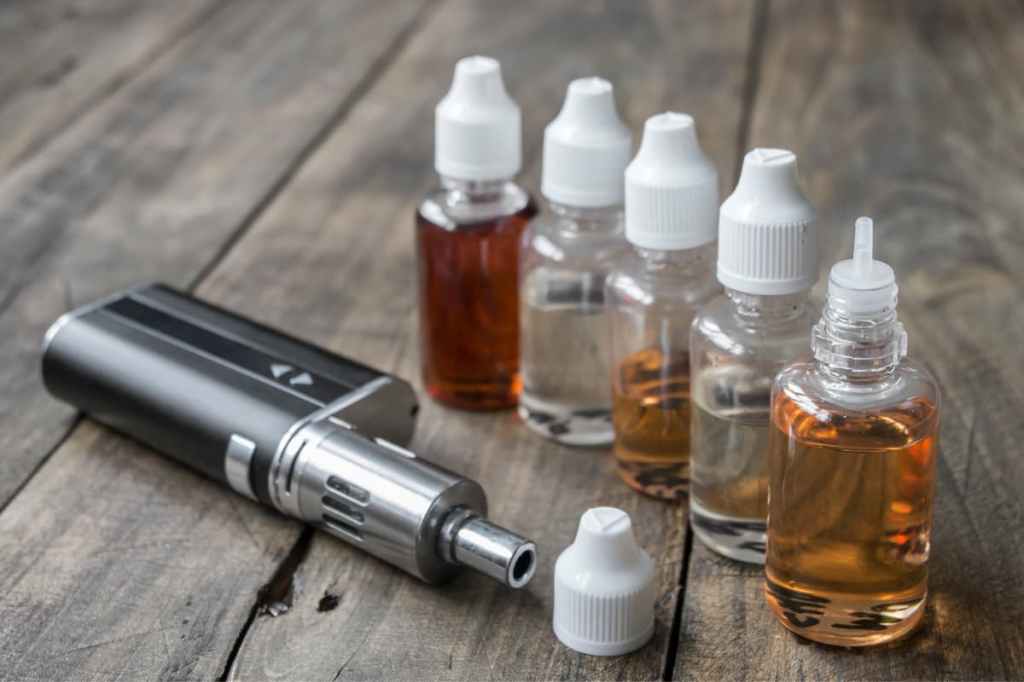
Although marketed as “simpler” than cigarettes, e-liquids still contain substances that can harm the body:
- Nicotine – Highly addictive and harmful, even when not listed on the label.
- Propylene glycol & glycerol – Humectants, safe in food and cosmetics but not tested for long-term inhalation.
- Vitamin E acetate – Harmless in creams, toxic in the lungs; linked to vaping-related lung injury (EVALI).
- THC (cannabis) – Often used in vaping liquids, sometimes mixed with vitamin E acetate.
- Flavors – Fruity, menthol, or dessert-like, but shown to irritate tissues and promote inflammation.
⚠️ Important: You’re not inhaling “harmless vapor”—you’re inhaling an aerosol similar to deodorant spray, containing chemicals and tiny particles that penetrate deeply into the lungs and oral cavity.
What Happens in the Body When You Vape?

When cells are damaged by vape aerosols, they release chemical signals that trigger inflammation. The body sends immune cells like neutrophils, macrophages, lymphocytes, and mast cells to the site. While this process helps fight infections, unresolved or chronic inflammation can lead to:
- DNA damage and oxidative stress
- Impaired immune response
- Higher risk of cancer and infections
Studies show that e-cig aerosols damage immune cells in the lungs and mouth, reduce the activity of protective “good bacteria,” and promote the growth of harmful microbes.
Vaping and Oral Health
The mouth is the first point of contact for e-cig aerosols, making oral tissues particularly vulnerable. Research shows vaping can:
1. Cause Chronic Inflammation in the Gums
Like traditional smoking, vaping alters the oral microbiome, increasing bacteria such as Filifactor, Treponema, and Fusobacteria. This contributes to:
- Gum inflammation
- Periodontitis (gum disease with bone and tooth loss)
- Increased levels of inflammatory molecules (TNF-α, IL-6, IL-1β)
2. Promote Tooth Decay
Flavored e-liquids make Streptococcus mutans—the main cavity-causing bacteria—stick to teeth and produce acids that erode enamel. Sweet flavors and sticky e-liquid residues also increase the risk of cavities.
3. Irritate Oral Tissues
Reported side effects include:
- Dry mouth and sore throat
- Black or hairy tongue
- Nicotine stomatitis (“smoker’s palate”)
- Oral ulcers and burns
- Tooth loss and cheek pain
4. Increase Risk of Fungal Infections
Recent studies show a high prevalence of hyperplastic candidiasis (a fungal infection) among e-cigarette users, likely caused by pH changes in the mouth.
Beyond the Mouth: Systemic Effects

- Lungs – E-cigs can damage lung tissue, trigger chronic cough, worsen asthma, and cause EVALI.
- Immune system – Chemicals like acrolein impair neutrophils and natural killer cells, making it harder to fight infections.
- Brain – Nicotine disrupts brain development in adolescents, affecting memory, learning, and impulse control.
- Cancer risk – While still under study, e-cigs have been shown to cause DNA damage and initiate cancer-related changes in lab models.
EVALI: The Hidden Danger of Vaping
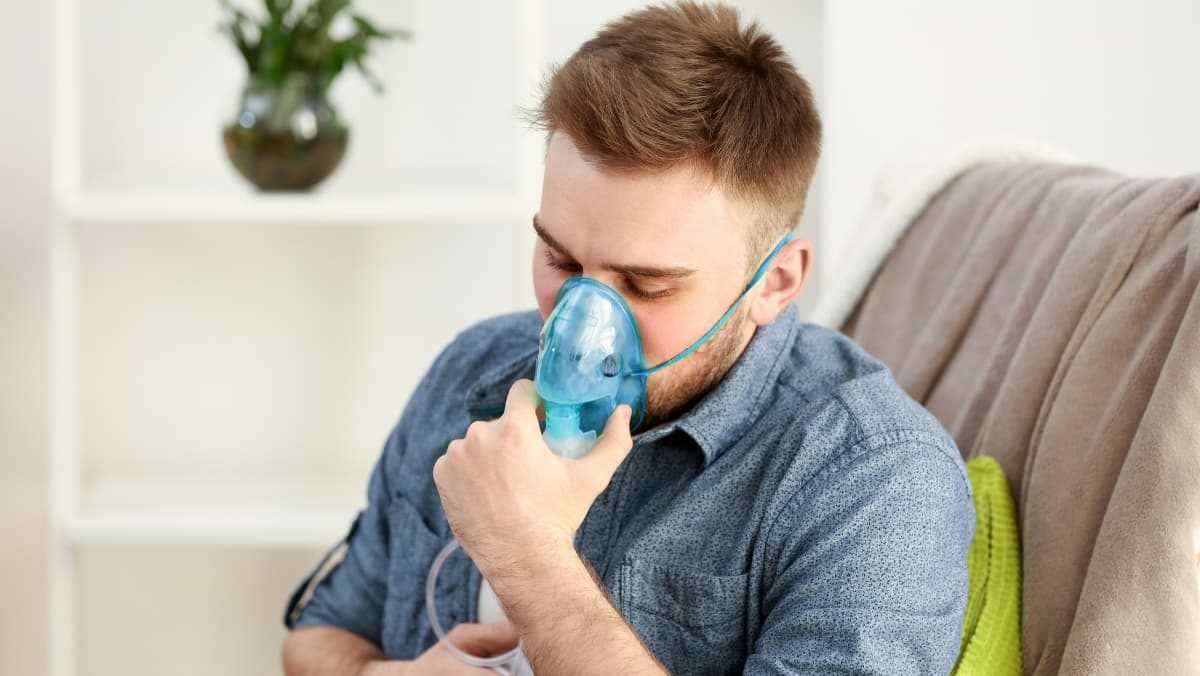
One of the most alarming health concerns linked to vaping is E-cigarette or Vaping-Associated Lung Injury (EVALI).
- First recognized in 2019, EVALI caused hospitalizations and deaths in the U.S.
- Symptoms include shortness of breath, chest pain, fever, cough, nausea, and vomiting.
- The majority of cases were found in young adults (ages 18–34), though teens and older adults were also affected.
- Investigations identified Vitamin E acetate, used as a thickening agent in THC-containing vape liquids, as a key factor. While safe in creams or supplements, it becomes toxic when inhaled, triggering severe lung inflammation.
- Patients required oxygen support, and in severe cases, mechanical ventilation.
Although hospitalizations decreased after the 2019 outbreak, EVALI remains a reminder that vaping aerosols can cause life-threatening damage far beyond the mouth.
Can Vaping Help You Quit Smoking?
Some countries, such as the UK, allow e-cigs with regulated nicotine levels (up to 20 mg/mL) as a cessation tool. However, in places with no regulation (like the U.S.), devices can contain dangerously high nicotine levels.
The truth: while some adults use e-cigs to quit smoking, vaping itself carries health risks and is far from a safe alternative.
Conclusion: Is Vaping Safer?
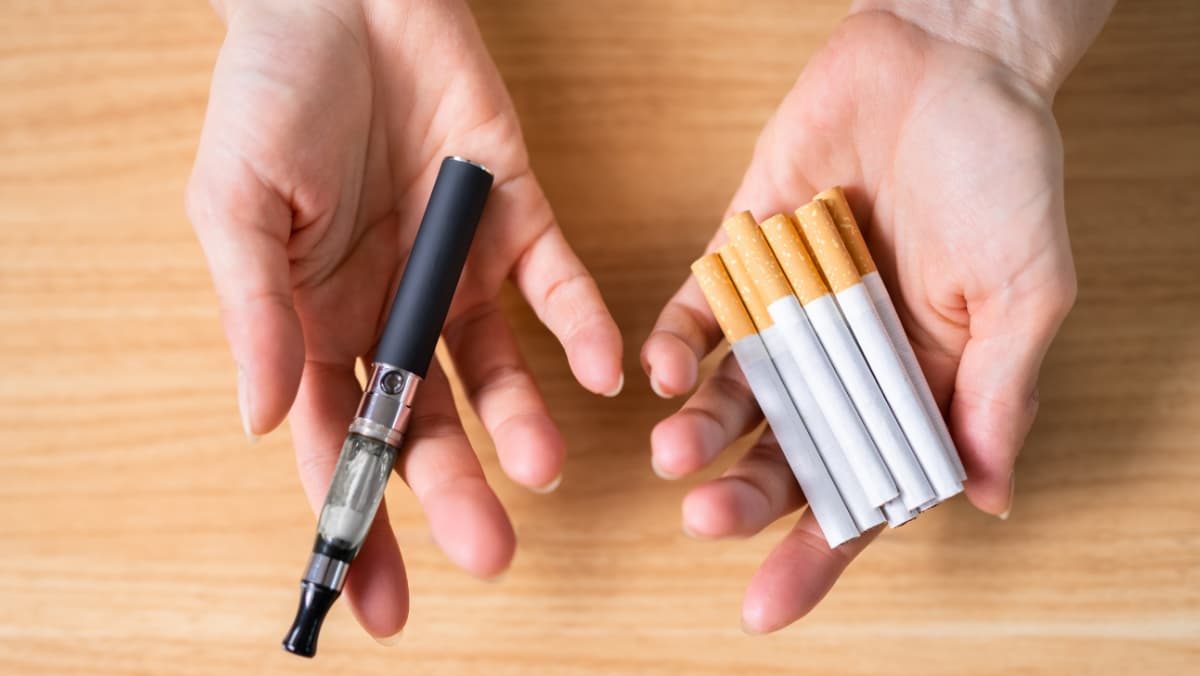
Vaping is not harmless. While marketed as a safer alternative to smoking, it still exposes users to addictive nicotine, toxic chemicals, and aerosols that irritate, inflame, and damage tissues.
In the oral cavity, vaping can worsen gum disease, increase tooth decay, and cause mucosal lesions. Long-term safety remains unknown, but the signs are concerning. With vaping especially popular among youth, it’s critical to spread awareness of the risks—not just for the lungs, but also for oral and overall health.
👉 Bottom line: Vaping may look sleek and taste sweet, but beneath the smoke-free image lies a real risk to your teeth, gums, and long-term health.
reference
- Auschwitz, E., Almeda, J., & Andl, C. D. (2023). Mechanisms of E-Cigarette Vape-Induced Epithelial Cell Damage. Cells, 12(21), Article 2552. https://doi.org/10.3390/cells12212552
- Figueredo, C. A., Abdelhay, N., Figueredo, C. M., Catunda, R., & Gibson, M. P. (2021). The impact of vaping on periodontitis: A systematic review. Clinical and Experimental Dental Research, 7(3), 376-384. https://doi.org/10.1002/cre2.360
- Fatima, M., Muhammad Ali, F., & Ullah, R. (2023, December 19). Popular trend of electronic cigarettes and their adverse effects on oral health. Cureus, 15(12), e50808. https://doi.org/10.7759/cureus.50808
- Ghuman, A., Choudhary, P., Kasana, J., Kumar, S., Sawhney, H., Bhat, R., & Kashwani, R. (2024). A systematic literature review on the composition, health impacts, and regulatory dynamics of vaping. Cureus, 16(8), e66068. https://doi.org/10.7759/cureus.66068
- Wasfi, R. A., Bang, F., de Groh, M., Champagne, A., Han, A., Lang, J. J., McFaull, S. R., Melvin, A., Pipe, A. L., Saxena, S., Thompson, W., Warner, E., & Prince, S. A. (2022). Chronic health effects associated with electronic cigarette use: A systematic review. Frontiers in Public Health, 10, 959622. https://doi.org/10.3389/fpubh.2022.959622
- Almeida-da-Silva, C. L., Dakafay, H. M., O’Brien, K., Montierth, D., Xiao, N., & Ojcius, D. M. (2021). Effects of electronic cigarette aerosol exposure on oral and systemic health. Biomedical Journal, 44, 85-95. https://doi.org/10.1016/j.bj.2020.12.009
- Iacob, A. M., Escobedo Martínez, M. F., Barbeito Castro, E., Junquera Olay, S., Olay García, S., & Junquera Gutiérrez, L. M. (2024). Effects of Vape Use on Oral Health: A Review of the Literature. Medicina, 60(3), 365. https://doi.org/10.3390/medicina60030365
 Béal - Oral Care
Leave a Comment