
Activated Charcoal for Teeth Whitening: Does It Really Work?
Teeth whitening has become one of the most sought-after cosmetic dental treatments worldwide. Among the many options available, activated charcoal toothpaste has gained massive popularity on social media, marketed as a natural and safe way to brighten your smile. But does it really work, and is it safe?.
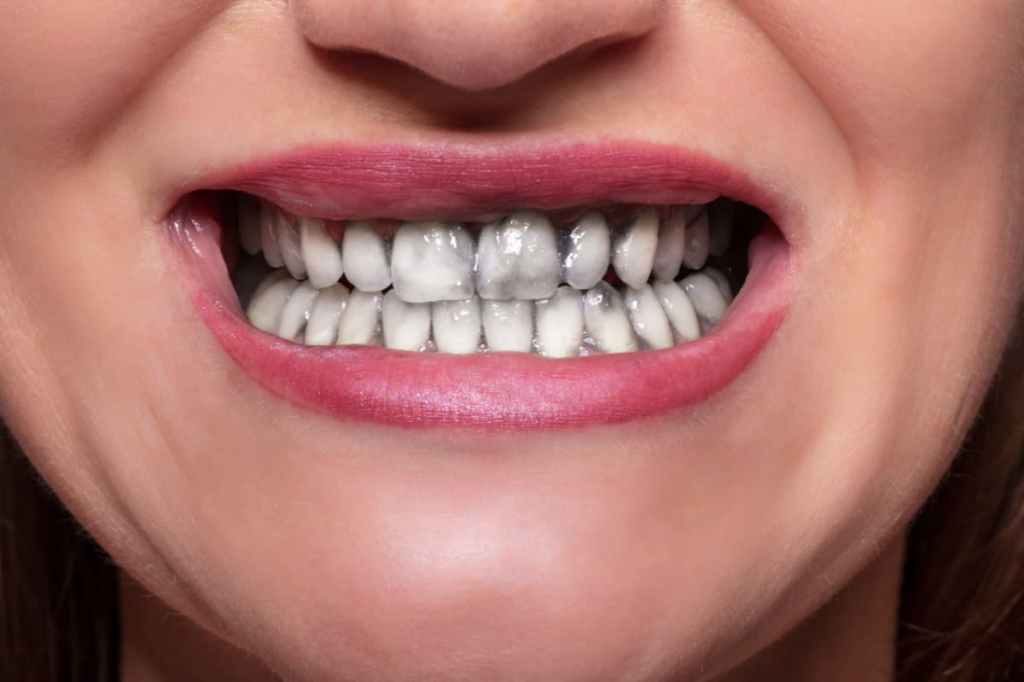
What is Activated Charcoal Toothpaste?
Activated charcoal is a form of carbon that has been processed to create a highly porous surface. These pores give it the ability to adsorb pigments, stains, and chromophores from surfaces, which is why it is commonly used in medicine for toxin removal. In oral care, charcoal is promoted as a whitening agent that can lift surface stains from enamel, making teeth appear whiter.
What Does the Research Say?
1. Effectiveness of Activated Charcoal in Whitening Toothpaste
A controlled in vitro study compared different whitening toothpastes, including activated charcoal, hydrogen peroxide, microbeads, and blue covarine. The results showed:
- Charcoal toothpaste did not produce immediate whitening after the first use.
- With continuous use, charcoal toothpaste showed some whitening effect, but it was less effective than hydrogen peroxide and microbead-based toothpastes.
This suggests that while charcoal may remove surface stains over time, it is not the most efficient whitening agent available
2. Safety Concerns: Abrasiveness and Enamel Wear
A recent systematic review highlighted that charcoal-based toothpastes may have a high abrasiveness, which can wear down enamel and dentin over prolonged use. Enamel does not regenerate, meaning any damage is permanent. Additionally, charcoal particles may be too large to effectively polish teeth without scratching them.
Some studies also raised concerns that activated charcoal could interfere with fluoride uptake, reducing the toothpaste’s ability to protect against cavities.
3. Marketing vs. Evidence
Despite strong marketing claims, there is limited clinical evidence supporting charcoal as a superior whitening agent. Most available studies are in vitro (laboratory-based) rather than clinical trials with real patients. This means that while charcoal may help with mild stain removal, its long-term benefits and safety remain questionable.
Charcoal vs. Other Whitening Agents
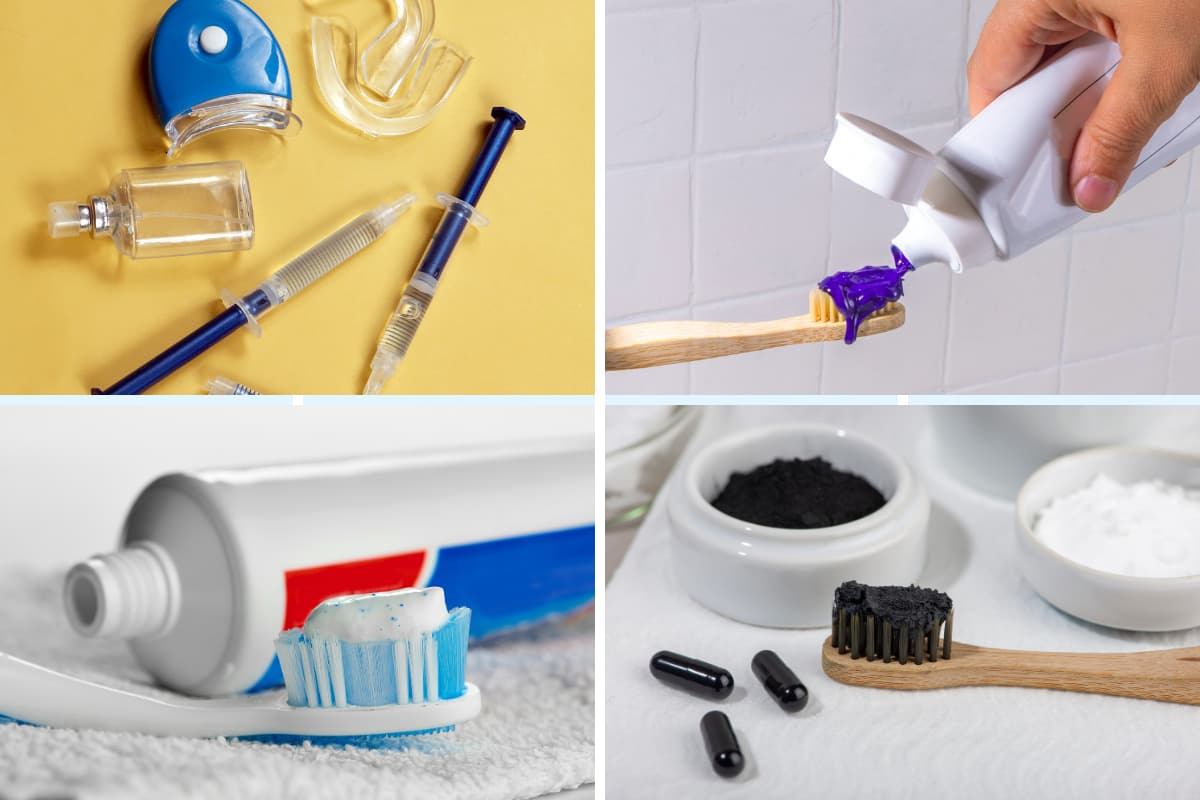
- Hydrogen Peroxide: Clinically proven to whiten teeth by breaking down stain molecules within enamel. More effective but may cause sensitivity.
- Blue Covarine: Creates an optical illusion of whiter teeth immediately after brushing.
- Microbeads / Abrasives: Remove surface stains but can also increase wear if overused.
- Charcoal: Adsorbs pigments but is less effective than peroxide and microbeads, with potential risks of abrasion.
Should You Use Charcoal Toothpaste?
If you’re considering charcoal toothpaste:
- Use it occasionally rather than daily to minimize enamel wear.
- Combine it with a fluoride toothpaste to ensure cavity protection.
- Be cautious of exaggerated marketing claims promising dramatic whitening results.
- Consult your dentist if you want safe and effective long-term whitening options.
Final Thoughts
Activated charcoal for teeth whitening remains a trendy but scientifically limited option. While it may help remove surface stains, studies show it is not as effective as peroxide-based whitening and carries potential risks for enamel wear. If you’re looking for reliable whitening, professional treatments or clinically proven whitening toothpastes may be better choices.

Reference
- Vaz, V. T. P., Jubilato, D. P., Oliveira, M. R. M. de, Bortolatto, J. F., Floros, M. C., Dantas, A. A. R., & Oliveira Júnior, O. B. de (2019). Whitening toothpaste containing activated charcoal, blue covarine, hydrogen peroxide or microbeads: which one is the most effective? Journal of Applied Oral Science, 27, e20180051. https://doi.org/10.1590/1678-7757-2018-0051
- Tomás, D. B. M., Pecci-Lloret, M. P., & Guerrero-Gironés, J. (2023). Effectiveness and abrasiveness of activated charcoal as a whitening agent: A systematic review of in vitro studies. Annals of Anatomy, 245, 151998. https://doi.org/10.1016/j.aanat.2022.151998
- Bauler, L. D., Dos Santos, C. S., Lima, G. S., & Moraes, R. R. (2021). Charcoal-based dentifrices and powders: Analyses of product labels, Instagram engagement, and altmetrics. Brazilian Dental Journal, 32(2), 80–89. https://doi.org/10.1590/0103-6440202104233
 Béal - Oral Care
Leave a Comment