
How Long Does Wisdom Tooth Pain Last?
Understanding the Duration, Causes, and Relief Options
If you’re experiencing pain at the very back of your mouth, there’s a good chance your wisdom teeth are to blame. But how long does wisdom tooth pain last, and when should you see a dentist?
Let’s break it down.
What Causes Wisdom Tooth Pain?
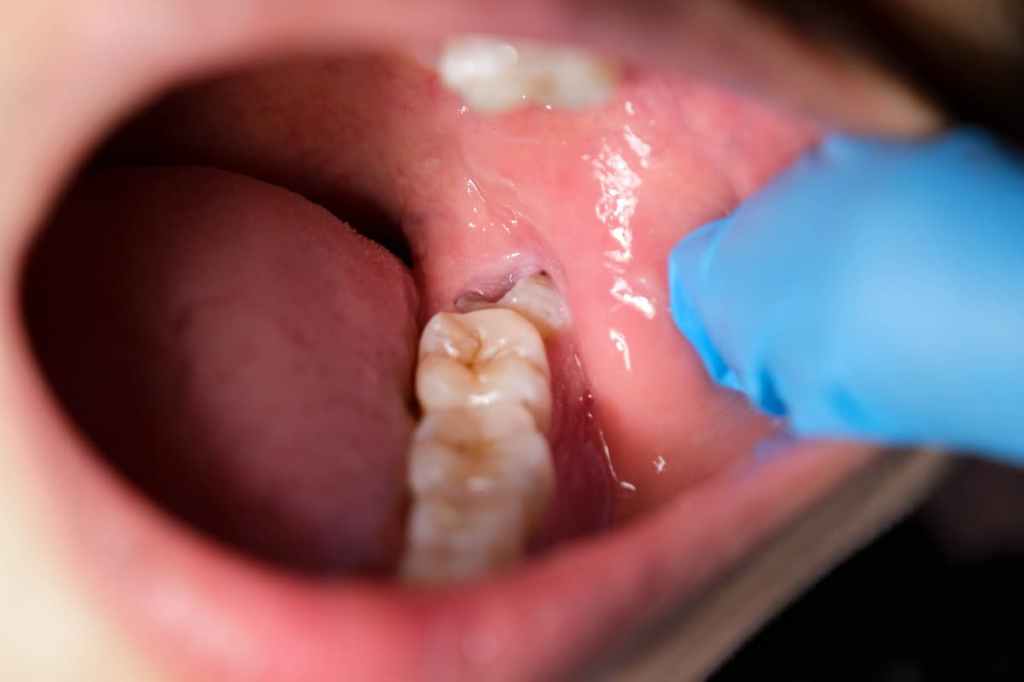
Wisdom teeth, also known as third molars, typically begin to erupt between the ages of 17 and 30. They’re the last set of teeth to appear, and due to lack of space in the mouth, their arrival is often anything but smooth.

One of the most common causes of wisdom tooth pain is pericoronitis—a localized gum inflammation that occurs as the tooth pushes through the gum tissue. Because this eruption happens intermittently (not all at once), pain can come and go in waves.
Symptoms to Look Out For

Wisdom tooth pain can vary widely in severity. Some people may feel a dull, aching pressure or stiff jaw muscles, while others report sharp pain that affects chewing, swallowing, or even speaking. The discomfort may radiate to the ear or head, making it easy to mistake for other issues.
In some cases, the gum over the tooth can swell and trap food or bacteria, leading to infection. When this happens, symptoms may include:
- Swelling or pus drainage.
- Bad taste or smell in the mouth.
- Difficulty opening the jaw.
- Ulcers or cheek biting due to misalignment.
How Long Does the Pain Last?
Wisdom tooth pain can last anywhere from a few days to a couple of weeks, depending on the cause and severity. Since these teeth erupt in stages, you might experience recurring episodes over several months—or even years—until the tooth is fully in place or removed.
If the pain is due to pericoronitis or minor eruption, it might resolve within 3 to 7 days with proper home care. However, if the gum becomes infected or if the tooth is erupting in the wrong direction, the pain may persist or worsen without professional intervention.
What Can You Do to Relieve Wisdom Tooth Pain?
Here are some effective at-home remedies and treatments to manage wisdom tooth discomfort:
- Maintain Excellent Oral Hygiene
Gently brushing and flossing around the painful area can help prevent food debris and bacteria buildup. - Rinse with Salt Water or Chlorhexidine (CHX)
These rinses reduce bacteria and soothe inflamed gums. Use lukewarm salt water (a teaspoon in a cup) several times a day. - Pain Relief Medications
A combination of paracetamol and ibuprofen (if safe for you) often provides better relief than either one alone. If you can’t take anti-inflammatories, paracetamol on its own is still effective. - Topical Pain Relief Gels
Over-the-counter gels containing local anesthetics can numb the area temporarily. Use cautiously, as excessive use can damage the tissue and cause trauma.

When to See a Dentist
While occasional discomfort is common, you should consult your dentist if:
- Pain lasts more than a week.
- You notice swelling, pus, or fever.
- The pain affects your ability to eat or sleep.
- You frequently bite your cheek or have recurring ulcers.
Leaving wisdom tooth issues untreated can lead to more serious problems like abscesses, spread of infection, or damage to nearby teeth.
Final Thoughts
Wisdom tooth pain is a common—and often frustrating—part of early adulthood. Fortunately, with good oral hygiene, over-the-counter remedies, and timely dental care, you can manage the discomfort effectively.
If you’re unsure about the cause of your pain or it’s starting to impact your daily life, don’t wait. Schedule a dental check-up to explore your treatment options, including possible removal if needed.
References
- Arekhi, N., Mortazavi, N., Bahramnejad, E., Khouri, V., Tajaldini, M., Asgari, N., & Sohrabi, A. (2024). Assessment of a combined mouthwash on pain relief in pericoronitis: A randomized clinical study. BMC Oral Health, 24, 466.
- Timmerman, A., & Parashos, P. (2020, April). Management of dental pain in primary care. Australian Prescriber, 43(2), 39–44.
 Béal - Oral Care
Leave a Comment