
Why Does My Root Canal Tooth Feel Weird Years Later?
Understanding Post-Treatment Sensations and Flare-Ups
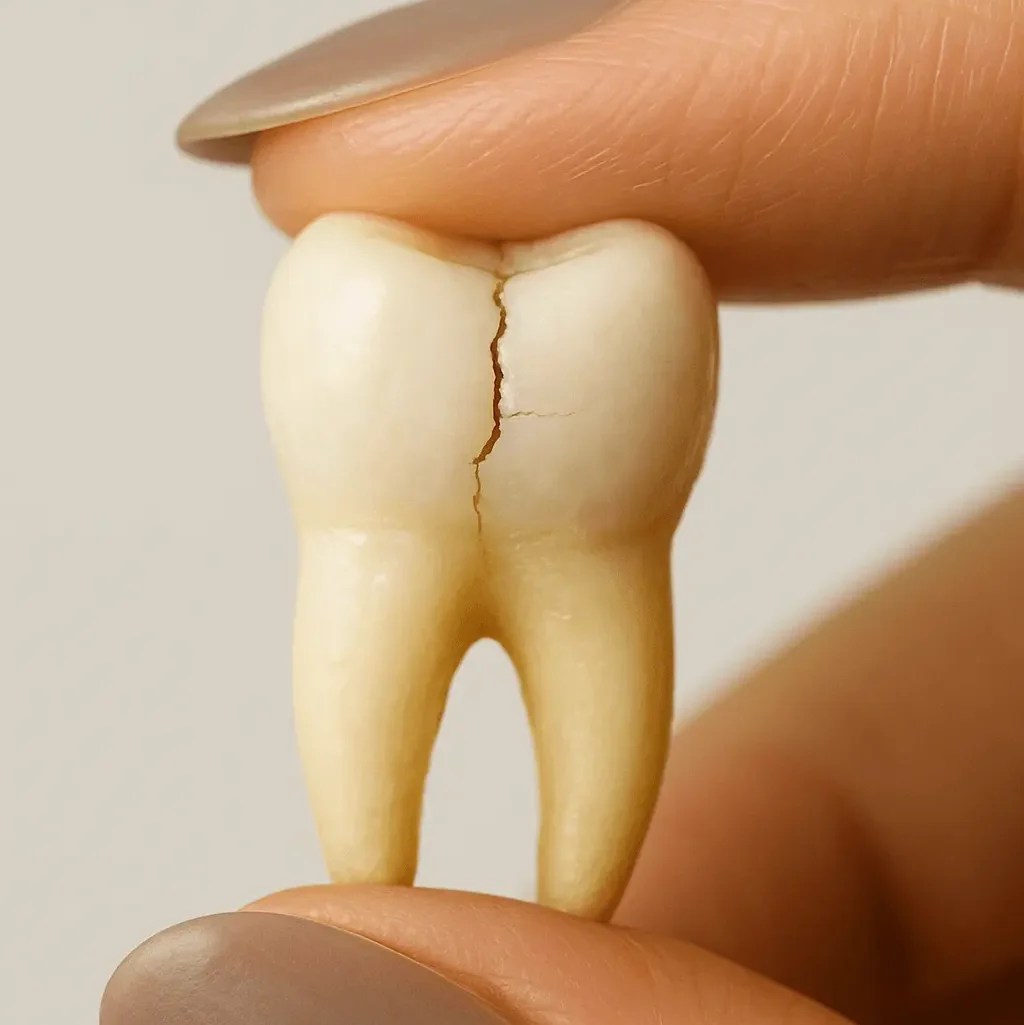
If you’ve had a root canal years ago and suddenly your tooth feels odd—maybe it’s sensitive, slightly painful, or just feels “off”—you’re not alone. Many people experience strange sensations in teeth that have undergone root canal treatment (RCT), even long after the procedure. But is it something to worry about?
In this blog, we’ll explore why a root canal tooth may feel weird years later, what role endodontic flare-ups play, and what you should do about it.
What You’re Feeling: Is It Normal?
It’s not uncommon to feel:
- Intermittent or mild pain
- A sense of pressure or throbbing
- Discomfort when chewing
- General “weirdness” or sensitivity in the area
While some of these symptoms can be harmless and temporary, others may point to what’s known as a post-endodontic flare-up—a delayed reaction that can occur even years after treatment.
What Is an Endodontic Flare-Up?
A flare-up is a painful inflammation or infection that occurs during or after a root canal treatment. It’s characterized by sudden pain and swelling, often prompting an unscheduled dental visit.
Although most flare-ups occur shortly after treatment, they can also happen months or even years later due to factors like reinfection, biofilm/bacterial resistance, or incomplete removal of bacteria during the initial procedure.
Common Causes of Long-Term Flare-Ups After Root Canal
1. Persistent or Recurrent Infection
Biofilms—structured bacterial communities—can resist removal, especially in hard-to-reach areas of the root canal system (like isthmuses and fins). Over time, these can cause inflammation and symptoms to reappear.
2. Mechanical and Chemical Trauma
Improper instrumentation or irrigation during RCT can lead to pushing debris or chemicals into surrounding tissues. Years later, this trauma may result in chronic low-grade inflammation or sensitivity.
3. Leaky Restorations
A crown or filling that no longer seals the tooth properly can let bacteria back in, causing reinfection and symptoms.
4. Periapical Lesions
In some cases, inflammation around the root tip (periapical region) never fully heals, leading to slow-growing lesions that only cause symptoms much later.
Risk Factors That Can Trigger Delayed Flare-Ups
- Complex tooth anatomy (molars, curved roots)
- Improper sealing or restoration
- Diabetes or other immune-compromising conditions
- Stress or grinding/clenching. Tooth could be cracked on the inside. In this case, the tooth should be extracted.
What Can Be Done If It Feels Weird?
👉 Don’t ignore it.
See your dentist or endodontist. They may take X-rays to check for signs of inflammation, infection, or restoration issues.
👉 Treatment Options Include:
- Re-instrumentation (cleaning the root canal again)
- Drainage of inflammation or abscess
- Antibiotics or anti-inflammatory medication
- Surgical options like apicoectomy if conventional retreatment fails
Can This Be Prevented?
To reduce the risk of long-term flare-ups:
- Ensure high-quality RCT by a skilled dentist
- Don’t delay permanent crown placement after treatment
- Maintain excellent oral hygiene
- Schedule regular dental checkups
Final Thoughts
If your root canal tooth feels weird—even years later—it doesn’t always mean something is seriously wrong. But it’s a sign your body may be responding to residual inflammation or reinfection. Getting it checked early can prevent more invasive treatment later.
Flare-ups are multifactorial and unpredictable, but with the right dental care and follow-up, they can be managed effectively.

REFERENCE
- Sarı, M., Yılmaz, K., & Özyürek, T. (2024). Postoperative pain after total pulpotomy and root canal treatment in mature molars according to the new and traditional classifications of pulpitis: a prospective, randomized controlled trial. BMC Oral Health, 24, Article 1075. https://doi.org/10.1186/s12903-024-04836-z
- Sharma, A., Sharma, R., Sharma, M., Jain, S., Rai, A., & Gupta, S. (2023). Endodontic Flare-Ups: An Update. Cureus, 15(7), e41438. https://doi.org/10.7759/cureus.41438
 Béal - Oral Care
Leave a Comment